Have you ever wondered why elite golfers and early aviators nearly always use Green contacts?
Professionals are aware that green is the “secret weapon” for vision, but most people choose a lens colour based on style.
It gives the ideal balance that brown and grey lenses are just unable to achieve.
I’ll explain why your eyes are naturally drawn to green in this post, as well as why this timeless tint might be the best purchase for your everyday routine.
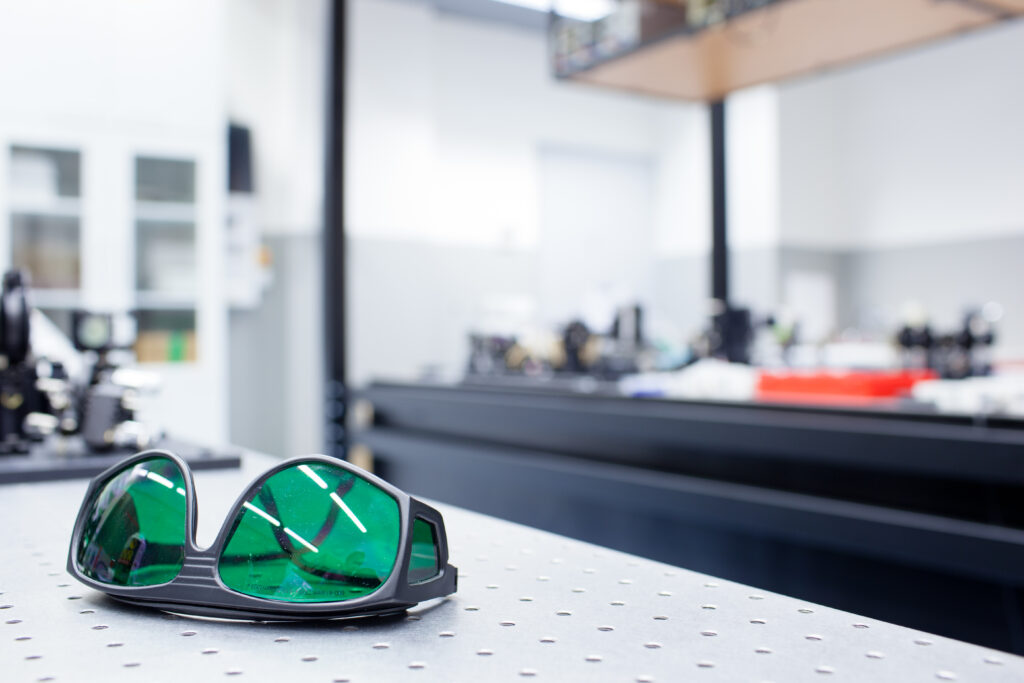
Where are Classic Green Sunglasses Used?
Green Sunglasses lense work well in both bright sun and low light, making them highly adaptable. You’ll find them as a top choice for:
Tennis and golf: They make the “greens” stand out, enabling players to easily track a fast-moving ball and detect minute slopes in the grass.
Driving: green lenses reduce the intense glare of the road and dashboard while maintaining the colours of traffic lights.
Hiking & Nature: They are the “color of life.They accentuate the forest’s inherent greens and browns, giving each trail the appearance of a high-definition film.
Daily Commutes: They are ideal for the “mixed” lighting of a city morning because they soften harsh light while brightening shadows.
The Advantages and Disadvantages of Green Tinted Sunglasses:
The Advantages:
The Best of Both Worlds: It offers the colour accuracy of grey lenses and the striking contrast of brown lenses.
Visual Clarity: They make everything appear sharper by brightening shadows and filtering out “visual noise” (harsh blue light).
The Disadvantages:
Not a “Blackout”: A deep charcoal grey lens might be a better choice if you want the world to appear as dark as possible.
Subtle Colour Shift: In contrast to neutral grey, colours remain very “true,” but there is a slight warming effect that some people must get used to.
Who is it Best For?
Green is the colour to choose if you want a single pair of sunglasses that can withstand any situation. It’s ideal for:
The Multi-Sport Athlete: Someone who drives every day, goes hiking on Wednesdays, and plays golf on Mondays.
Sensitive Eyes: People who get “eye-burn” or fatigue from standard dark lenses.
The Professional: Pilots and drivers who prefer the comfort of a tint but require 100% colour accuracy for safety.
Conclusion:
By now, you understand the definitive difference:
Green lenses sunglasses discover the ideal “sweet spot,” whereas brown lenses change the colours, and grey lenses simply dim the world.
They maintain natural colouration, improve contrast, and keep your eyes feeling refreshed throughout the day.
Which is more important to you before you buy your next pair of shades: a lens designed for the brightest sun or one that works in all weather conditions?
Let me know in the comments below!