“Are you paying more for polarised lenses without knowing what they actually do?”
It’s hard to pick the right sunglasses because the difference between polarized Sunglasses and non-polarized Sunglasses is typically a costly choice with little explanation.
By the end of this guide, you will understand the one crucial difference between these two lens types, where each performs best, and which one is the very worst for you.
What are Polarized Sunglasses?
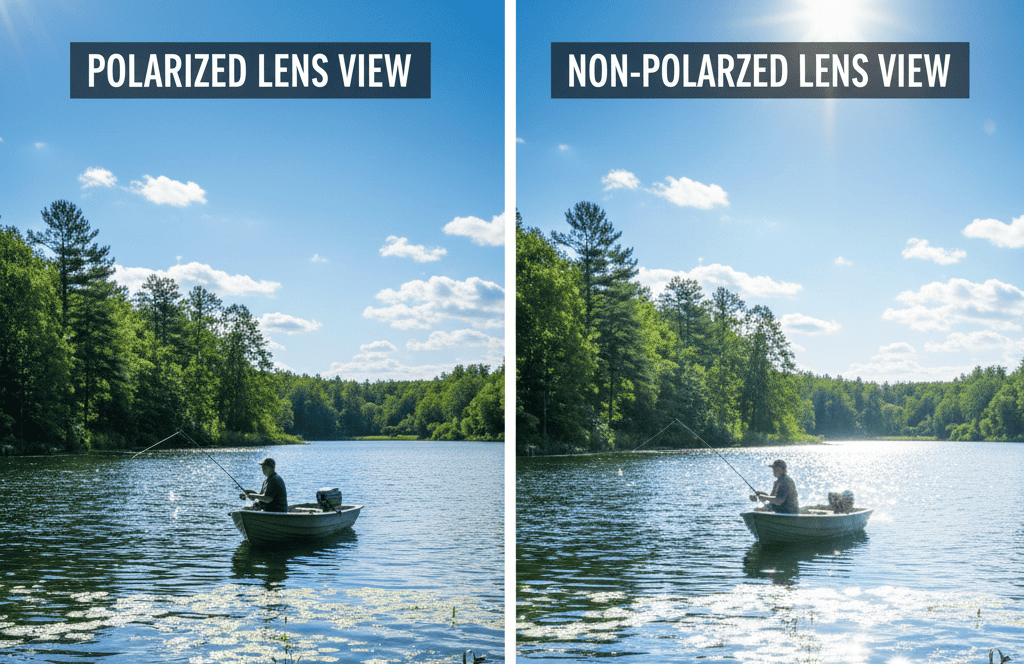
Polarized sunglasses are meant to lessen glare from surfaces like water, snow, and glass. While non-polarized sunglasses specialize in reducing total sunlight reaching the eye, including harmful UV rays, polarized lenses selectively block light that bounces off reflective surfaces at unusual angles.
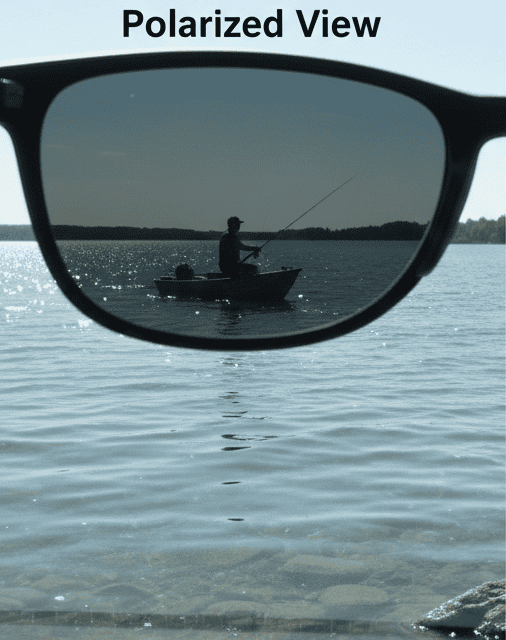
This principle also applies to watermen and fishermen who wish to prevent the glare from the surface of the water so they can see what lies below, or snowboarders who need to see the form of the slopes and the type of snow.
Advantage of polarized lenses (Best Uses & Benefits)
Polarized sunglass lenses lessen light glare and eyestrain. For this reason, they improve eyesight and safety in the sun when working or outdoors.
By improving visibility, polarized lenses can help drivers and outdoor enthusiasts stay more aware of their surroundings and avoid accidents.
They are perfect for activities like fishing, where they can allow you to see beneath the water’s surface by removing reflections.
How can you tell if your sunglasses are Polarized? (The Definitive Test)
The easiest and most definitive way to test for polarization is the Digital Screen Test :
Find a Screen: Look for any digital screen (a computer monitor, a phone screen, or a car navigation display—though be safe if using your car!).
Hold & Rotate: Hold your sunglasses up in front of the screen.
The Result: Slowly rotate the sunglasses 90 degrees.
1. If the lens is Polarized, the screen viewed through the lens will darken significantly or turn completely black at a certain angle.
2. If the lens is Non-Polarized, the screen will remain the same level of dimness, regardless of how you turn the lens.
How: This result happens because the light coming from the screen is already polarized, and when you line up the sunglasses’ filter to block that same light, the view disappears!
Frequently Asked Questions About polarized vs non-polarized sunglasses.
1. What does polarized sunglasses mean?
Polarized sunglasses contain a unique filter in the lenses that lowers glare from reflective objects like water, snow, and roadways. Polarized sunglasses enhance visual clarity, improve contrast, and lower eye strain in bright circumstances, delivering a crisper and more Beautiful view than regular tinted sunglasses.
2. Are polarized sunglasses better than non-polarized lenses?
Both types of lenses are universally “better” than the other; the decision between polarized and non-polarized sunglasses depends entirely on your personal activities and needs.
Polarized lenses are excellent for cutting severe, reflected glare. In contrast, non-polarized lenses are better for specific scenarios where glare can be a beneficial visual cue or where viewing dazzling digital screens is essential.
3.When should you NOT wear polarized sunglasses?
While polarized glasses are excellent for reducing glare, they have unique restrictions that make them inappropriate or even harmful for specific activities, like:
Looking at Digital Screens: They can cause your phone or ATM displays to appear black or distorted due to the way they filter light.
Driving on Ice/Snow: By removing the intense glare, they can make it challenging to notice icy places on the road or slopes, which also may be a safety risk for drivers and skiers.
Operating Complex Machinery: They are often avoided by pilots and skilled equipment operators to prevent screens from blacking out at vital periods.
Conclusion:
By now, you understand the definitive difference: Non-polarized sunglasses simply dim the world, while polarized sunglasses actively clear the view by eliminating horizontal glare.
The question is no longer about which one is “better,” but which one is right for your lifestyle.
Before you buy your next pair, what is the most critical factor for you: clear outdoor vision or seeing your phone clearly? Let me know in the comments!.
“If you’ve decided polarized lenses are right for your lifestyle, the next step is choosing a quality brand. We’ve done an in-depth review of the best Ray-Ban polarized models [Link to your review page] that offer superior anti-glare performance.”